
ZETA CIRCLE EDITORIAL · UPDATED 12 NOVEMBER 2026 · 3 MIN READ
Start with the right questions
An a la carte approach lets customers express priorities without accepting a fixed whole-home package. It also creates a useful record of ideas that are not yet ready to price. Separate essential items, optional upgrades and exclusions, then connect each wanted component to a room, quantity or question that the designer can resolve.
Put the idea into practice
Create separate lists for essential work, preferred upgrades and ideas to explore later. Add catalogued components alongside custom requests, dimensions and reference notes. Mark items that should not be included so a designer does not keep proposing them. A theme can guide the visual direction without forcing every selection into a package. Before requesting a quote, review the quantities and identify uncertain measurements. An itemised response should show selected products, custom work, optional extras and any discount clearly. Keep revised lists and quotations connected so an approval applies to a known scope.
How this fits your wider service brief
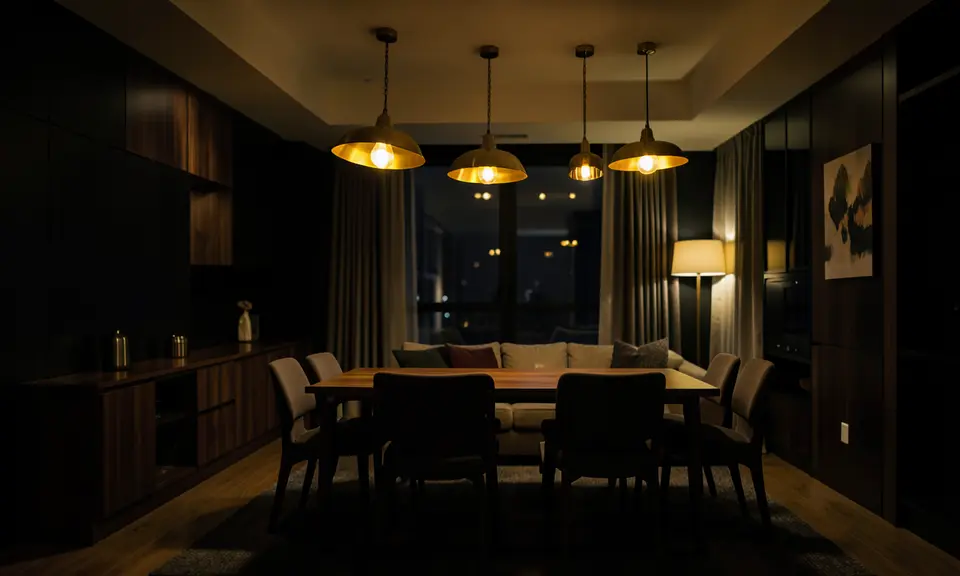
An interior project brings together design choices, measured quantities, materials and site execution. A useful proposal connects those decisions room by room so the customer can understand both the finished result and the work required to reach it. Prepare a measured plan, current photographs and a list of retained furniture or appliances. Separate the design preference from the technical specification: a reference image does not establish board thickness, hardware, wiring or installation scope. ZETA CIRCLE can help organise the brief and a detailed commercial discussion. Agree measurement responsibility, drawing approvals, material samples and variation handling before fabrication begins. Civil work, electrical changes, lighting, transport and site protection should be stated where applicable. Prices need to be read alongside quantities and exclusions. The aim is a practical, maintainable space with a clear handover, rather than an attractive rendering that leaves important work undefined.
Build a useful review rhythm
Agree a review point that suits the work and gives both sides time to act on the findings. Bring the current scope, progress evidence and unresolved decisions to the discussion. Focus on what needs attention and who will take the next action, rather than reporting activity without an outcome. Where a recurring issue appears, check whether the cause is missing information, unclear responsibility or a process that needs redesign. Record the agreed improvement and revisit it at the next review. This creates a practical feedback loop and helps the engagement remain aligned with the customer's priorities as the work develops or the business changes.
A practical review before you proceed
Before commercial approval, reconcile the room list, drawings and quotation. Check that each retained item, optional addition and exclusion is reflected consistently. Ask who owns the final measurement and who may approve a variation. This review is especially useful when several trades or suppliers contribute to the same room and their scopes meet.
Discuss your requirements with ZETA CIRCLE
Send your location, intended timing, relevant reference material and the result you want to achieve to sales@zetacircle.com, or call +91 9972769456. We can help clarify the appropriate service line and prepare the next discussion. Any proposed price, availability, delivery schedule or specialist involvement will be confirmed in the agreed scope before you commit.