
ZETA CIRCLE EDITORIAL · UPDATED 12 NOVEMBER 2026 · 3 MIN READ
Start with the right questions
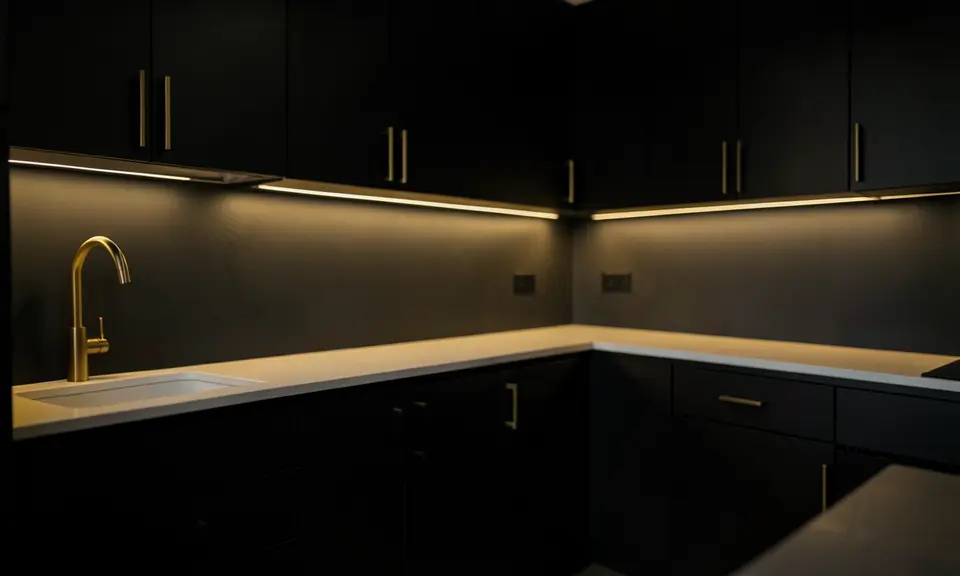
Lighting and material selection influence each other. A surface seen in a bright showroom may look different in a room with limited daylight, and decorative lighting may not provide enough illumination for daily tasks. Review the combination early so the visual concept and the electrical scope develop together rather than becoming separate late decisions.
Put the idea into practice
Review lighting with the actual finishes rather than choosing it after every surface is fixed. Glossy, textured and dark materials respond differently to light, and a dramatic reference image may use conditions unlike your room. Identify task, ambient and accent lighting needs. Check switch positions, maintenance access and the location of drivers or controls before closing ceilings or cabinetry. Ask for electrical execution and fixtures to be itemised where they are separate from design. Approve samples and a practical layout together so the final effect supports daily use as well as the intended visual mood.
How this fits your wider service brief
SMARTY INTERIORS is a focused destination for customers who want to connect design inspiration with a practical, measured home project. The useful next step after viewing a room image is to understand the components, dimensions and services needed for your own space. Prepare a floor plan, current site photographs and a list of rooms or features you want to prioritise. ZETA CIRCLE can help route the enquiry to the appropriate design discussion while keeping the requested scope clear. Explore themes as references, then compare actual materials and component choices. A package should state its inclusions, assumptions and exclusions; an a la carte list should retain quantities and custom ideas. Electrical work, lighting, ceiling details and installation dependencies deserve their own review where relevant. Agree the design approval and quotation process before work is commissioned. Illustrative images show a direction and should not be mistaken for a verified installation at your property.
Keep changes commercially clear
Requirements can evolve during a discussion or delivery cycle. Record what changed, why it changed and which earlier assumption is no longer valid. Ask the responsible team to explain the effect on the deliverable, schedule and price before approving the revision. Separate an idea being explored from an instruction to proceed. Keep optional additions visible so the customer can choose deliberately. When several people contribute, identify one authorised decision-maker for the commercial scope. A clear change record protects the working relationship by giving everyone the same understanding of the current agreement and reducing the need to reconstruct decisions from several conversations later.
A practical review before you proceed
Bring the selected theme, room priorities and product or custom-item lists into the same review. Check that the proposal explains measurements, materials, optional work and exclusions. Ask for uncertain details to remain visible until verified. This helps the customer compare choices while the design team develops a scope that can actually be delivered.
Discuss your requirements with ZETA CIRCLE
Send your location, intended timing, relevant reference material and the result you want to achieve to sales@zetacircle.com, or call +91 9972769456. We can help clarify the appropriate service line and prepare the next discussion. Any proposed price, availability, delivery schedule or specialist involvement will be confirmed in the agreed scope before you commit.